

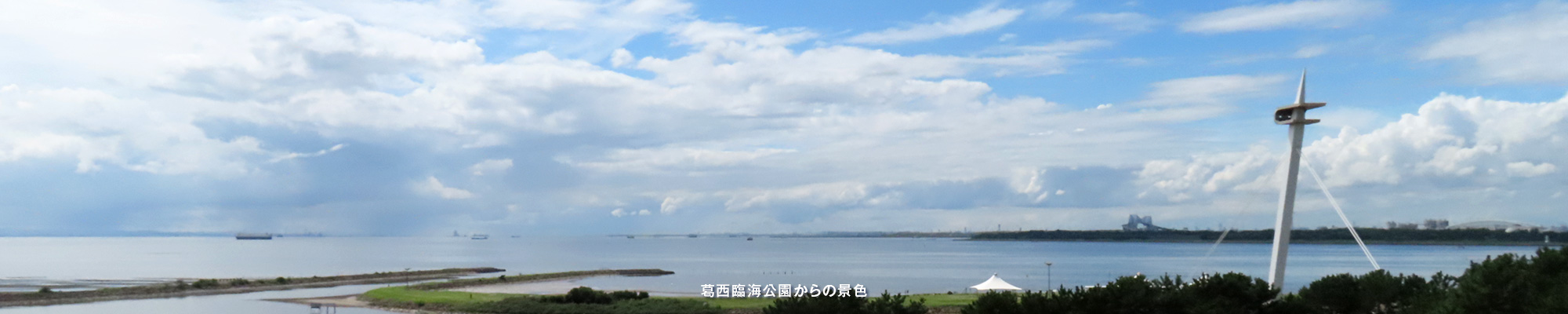
お気に入りのオリジナル写真を加工して作る、高画質のアハ体験ムービー。フェーズ37は、葛西臨海水族園の3回目、こんなにたくさんの生きものが住んでいるんだ。
High quality AHA experience movie made by processing your favorite original photos. Phase 37 is the third time at Kasai Rinkai Aquarium, so many living creatures live there.
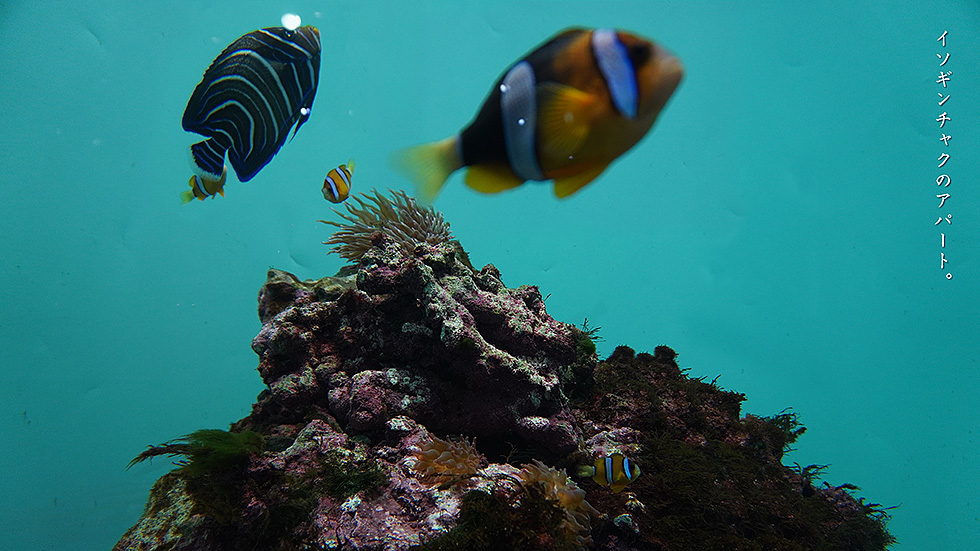
クマノミの住んでいるイソギンチャクアパートは、毒を持っているので安全だ。一方、クマノミは、家賃代わりにこのアパートを食べに来る魚を追い払っている、いわゆる、共存共栄の関係だ。お互いその関係をどうやって築いたのだろうか、話しあった気配はないし、それが謎だ。
The anemone apartment where the tardigrades live is safe because they are poisonous. On the other hand, the tardigrades, in return for rent, drive away the fish that come to eat this apartment, a so-called coexistence and co-prosperity relationship. There is no indication that they have talked to each other about how they established this relationship, and that is the mystery.
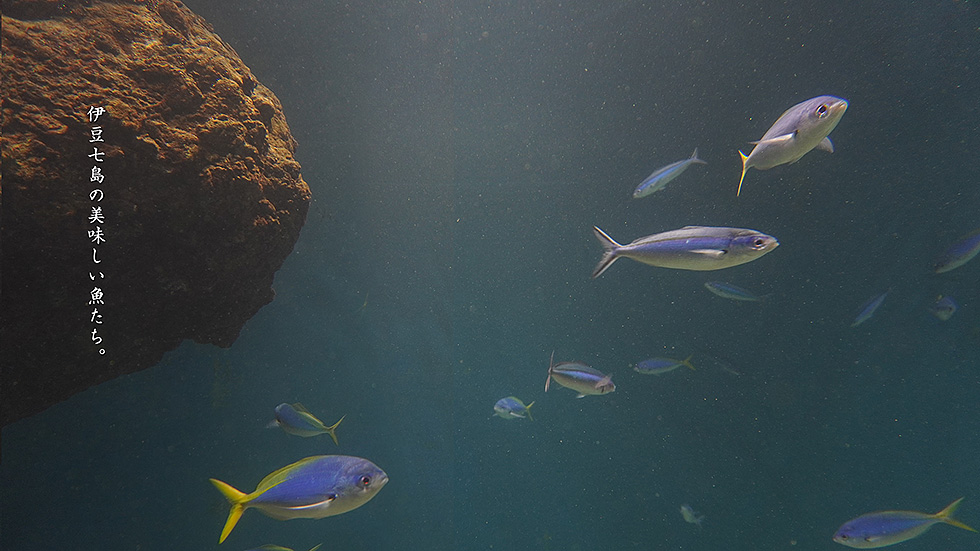
とにかく美味しそうに見える魚たちを集めてみた。画像の変化なんかを楽しんでいる場合じゃないのかもしれない。一刻も早く、伊豆七島に食べに行こう。この子達のなれの果て、くさやも美味しいしね。
I gathered some fish that look delicious. I don't know if this is the time to enjoy the changes in the images. Let's go eat at Izu Islands as soon as possible. The end of the fish, the kusaya, is also delicious.
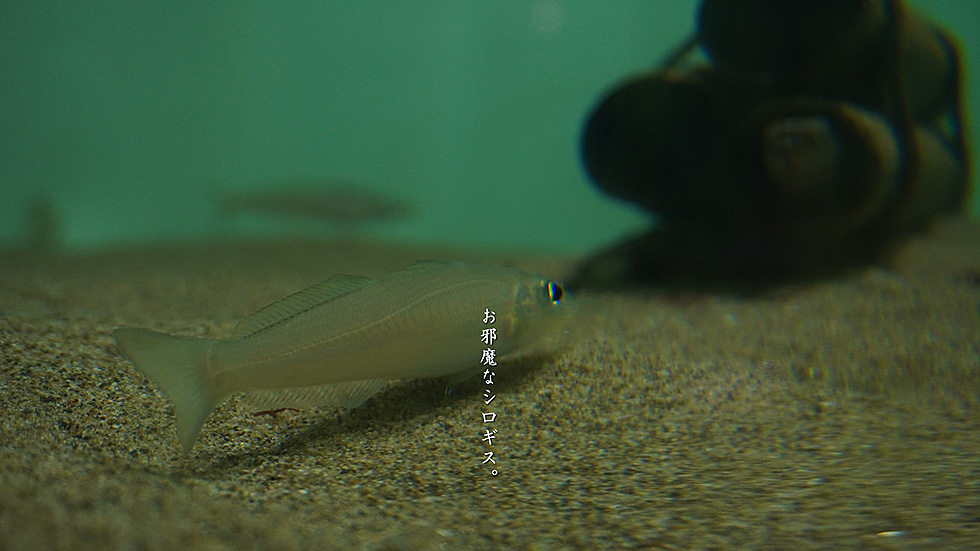
ニホンウナギは、体が接する狭い場所で休む習性があるらしいのだが、それ以外はずっと動き回っている。養殖ウナギは、隠れる場所が無いので、ずっと動き回り、餌もよく食べ、早く大きくするらしい。そんなウナギが、筒の中で休んでいる顔を撮ろうと思ったのに、何度も何度もシロギスが邪魔をしてくる。実は、筒の真ん中にウナギが顔を覗かせているのだが、ピントが合っていない。
Japanese eels are said to have a habit of resting in small places where their bodies meet, but otherwise they are on the move all the time. Farmed eels have no place to hide, so they move around all the time, eat well, and grow large quickly. I wanted to take a picture of the face of the eel resting in the tube, but the whitebait kept getting in the way again and again. In fact, there was an eel peeking out from the center of the tube, but it was out of focus.
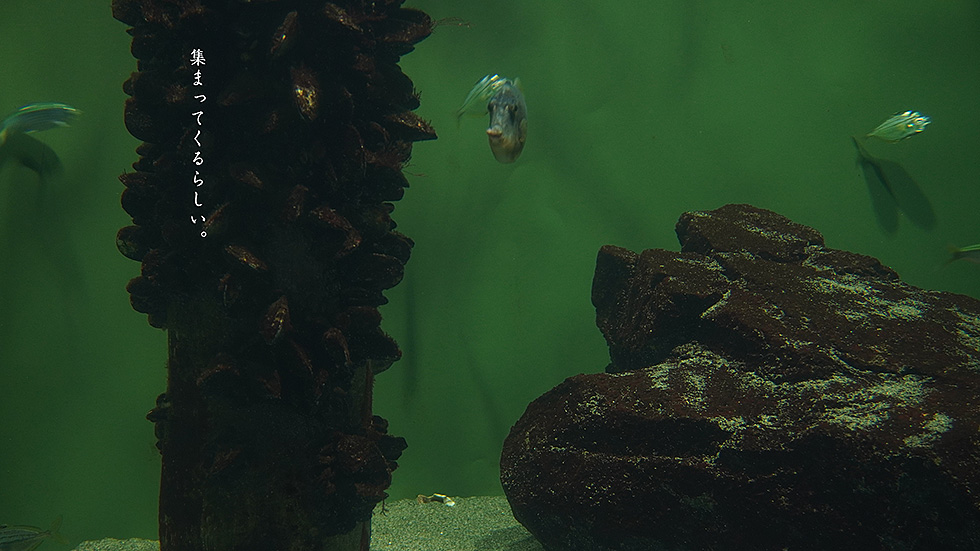
海の中に構築物を作ると様々なものが付着して、プランクトンが増え、それをめがけて魚か集まってくるらしい。それを見せているのがこの展示だ。人工的に漁礁を造り、人間の役に立てる、ということらしいが、魚にもメリットはあるのだろうか?一度彼らに聞いてみたいものだ。
It is said that when you build structures in the sea, various things attach to them, plankton increases, and fish gather around them. This is what is shown in this exhibit. It is said that artificial reefs are useful for humans, but are there any benefits for fish as well? I would like to ask them about it.
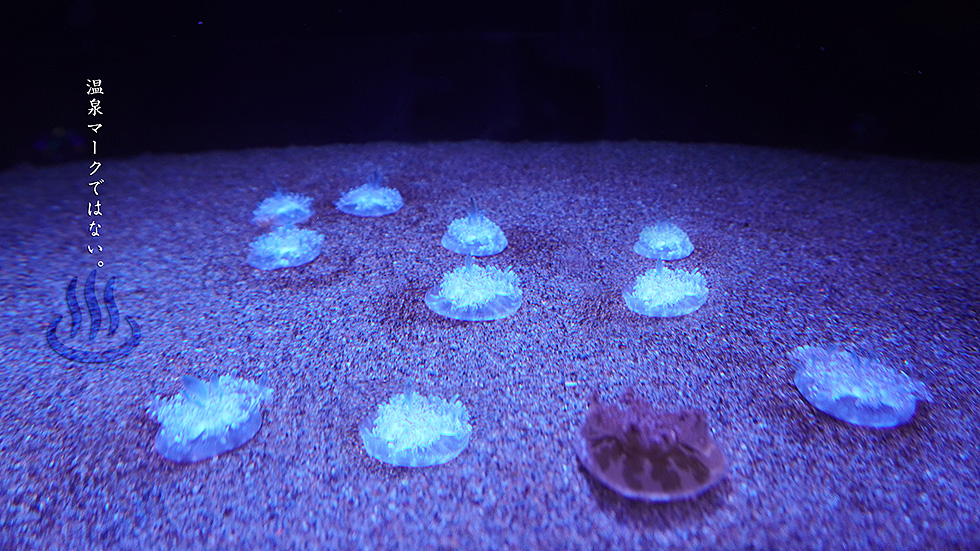
やっぱり海月はきれいだ。特にこのサカサクラゲは上下逆さまなので、この名前が付いたらしい。海外でも、アップサイド・ダウン・ジェリーとも呼ばれるからやっぱり海月は、足が下に向いているイメージなのだろう。ちなみに日本では、温泉のマークのことをサカサクラゲと呼ぶ。宜なるかな。
Jellyfish are beautiful. This sakasakurage, in particular, is upside-down, hence the name. Even overseas, jellyfish are also called "upside-down jellyfish," so the image of jellyfish is probably that of legs pointing downward. Incidentally, in Japan, the mark of a hot spring is called a sakasakurage. I wonder if this is a good thing.
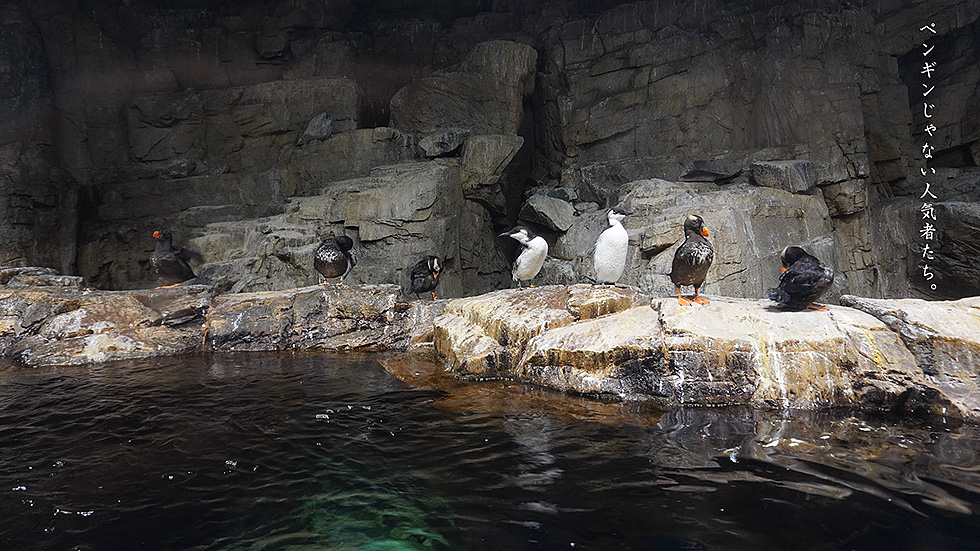
白黒のウミガラスとオレンジの嘴がかわいいエトピリカ。彼らは、よくペンギンと勘違いされている。そりゃ、みればわかるだろう、と彼らは思っているらしいが、どうやら、ほとんどの人間がひと目見て、ペンギンと混同しているらしい。特にウミガラスは。
A black-and-white sea crow and an Etopirika (lunda cirrhata) with a cute orange beak. They are often mistaken for penguins. They think it is obvious, but it seems that most people confuse them with penguins at a glance. Especially sea crows.
再び登場、エトピリカとウミガラス。エトピリカはその嘴の色からすぐペンギンじゃないとわかるが、ウミガラスは見た目もペンギンにそっくりだ。エトピリカは葉加瀬太郎の美しい音楽にもなっているが、ウミガラスは童謡に出てくるカラスとは違う仲間だ。町でゴミをあさるあの黒いカラスと同類に扱われたら、彼らも哀しいだろう。でも、その色と見た目はむしろ、かわいいと言われているペンギンにそっくりだ。
Here they are again, the Etopirika (lunda cirrhata) and the sea crow. The Etopirika is immediately recognizable as not a penguin by the color of its beak, while the sea crow looks and sounds just like a penguin. While the Etopirika has been featured in the beautiful music of Taro Hakase, the sea crow is a different species from the raven in the nursery rhyme. It would be sad for them if they were treated in the same category as those black crows that scavenge trash in town. However, their color and appearance are rather similar to that of penguins, which are said to be cute.
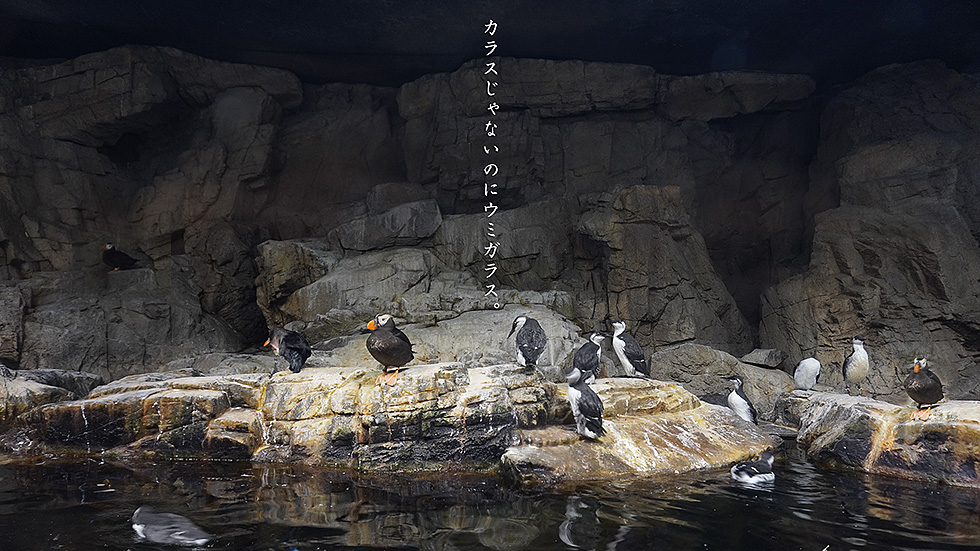
白いアイマスクをしているエトピリカは、夏羽なのだそうで、この時期、黒いままの個体は、幼鳥とのこと。今回は、オレンジの嘴が美しい、エトピリカを中心に集めた。せっかくなので、葉加瀬太郎のエトピリカをバックに流したかったのだが、著作権の関係で、むりだった。ごめん。
The Etopirica (lunda cirrhata) with white eye masks are said to be in summer plumage, and those in black at this time of year are juvenile birds. This time, I collected mainly Etopirica with beautiful orange bills. I wanted to play Taro Hakase's "Etopirika" in the background, but due to copyright issues, I was unable to do so. Sorry.

南シナ海を想定した水槽には、数え切れないぐらいのサカナが泳いでいる。美味しそうなものだけ、画像の中で増やしてみた。実社会でもこんなに簡単にサカナを増やせたら、いいのにと思ってしまう。
今世界中で、様々なサカナが数を減らしている。気候変動の影響もあるが、資源管理が全くうまく作用していないからだ。巻き網は、ずっと非難されているにも拘わらず、未だに続けられているし、特に中国は、全く無差別に乱獲してしまっている。いい加減、自分だけよければいい、という考え方から脱却できないのだろうか。日本人も含めて愚かな人間達の末路が見えてきたようだ。
There are countless fish swimming in the tank, which is designed to look like the South China Sea. I tried to increase only the tasty ones in the image. I wish it were this easy to increase the number of fish in the real world.
All over the world today, various fish species are decreasing in numbers. Partly because of climate change, but also because resource management is not working at all well. Netting is still being carried out, despite constant criticism, and China, in particular, has been indiscriminately overfishing. Can't we get out of the mindset that all that is good for one's self is good enough? It seems that we are seeing the end of foolish people, including the Japanese.
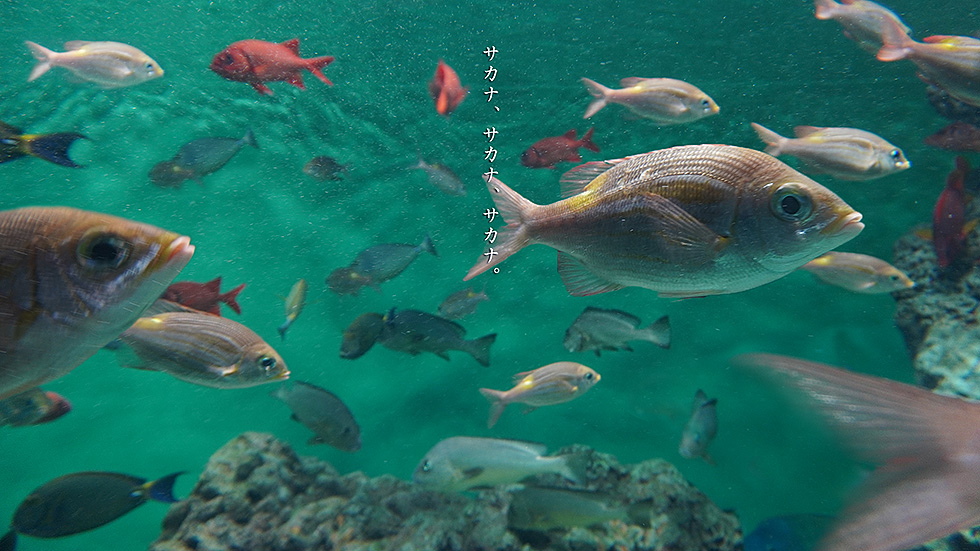
深海をイメージした展示の魚を増やしてみた。画像では簡単に増やせる魚も、現実ではそううまくはいかない。日本では随分以前から、大型の巻き網漁船が問題になっても、その後の改善が全く進んでいない。海洋資源の管理が全世界的な問題であるにも拘わらず、お魚大国である日本がこんな有り様だ。沿岸漁業を守れとは言わないが、もっと包括的な資源管理ができないものなのか。こんな状態では、声高に中国を非難できないだろう。
I tried to increase the number of fish in the exhibit with an image of the deep sea. Fish that can be easily increased in the image do not do so well in reality. In Japan, large purse seiners have been a problem for a long time now, but no progress has been made in improving the situation since then. The management of marine resources is a global issue, and yet this is the state of affairs in Japan, a country with a large fish population. I am not saying that coastal fisheries should be protected, but can't we have more comprehensive resource management? In such a situation, it would be hard to loudly condemn China.

