
お気に入りのオリジナル写真を加工して作る、高画質のアハ体験ムービー。フェーズ25は、2007年と13年14年の京都、奈良、大阪の景色を加工しています。今回は、あからさまにわかる画像づくりにしています。
High-quality aha experience movies created by processing your favorite original photos. For Phase 25, I processed views of Kyoto, Nara, and Osaka in 2007 and '13 and '14. This time, we are making images that are overtly recognizable.
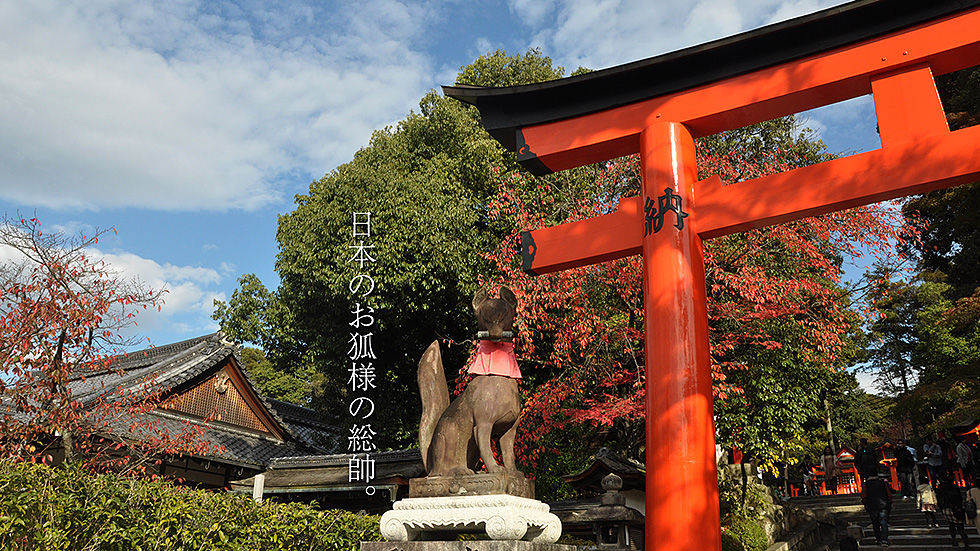
京都の深草にある伏見稲荷大社は、全国に三万以上あるという、お稲荷さんの総帥。山ひとつが稲荷神社になっていて、有名な赤い鳥居の数は言うに及ばず、狐の像もかなりの数が存在している。ほぼ、狐目と呼ばれる、睨みの利いた目と、ぴんと立っている尻尾がだいたい共通しているのが可笑しい。
伏見稲荷大社は、秦氏の祖霊として創建され、1300年前には、書物に記されている古いお社だ。その後鎌倉時代の神仏習合をくぐり抜け、応仁の乱の戦渦に甚大な被害を受け、鳥羽・伏見の戦いでは、戦場になりかけたがうまい具合に回避し、明治の神仏分離・廃仏毀釈もなんとか凌いだ。戦後にも、神社本庁に入らずに独立した伏見稲荷大社となったのは凄い。
Fushimi Inari-taisha, located in Fukakusa, Kyoto, is the general manager of the more than 30,000 Inari-san shrines in Japan. The entire mountain is an Inari shrine, and not only are there the famous red torii gates, but there are also quite a few statues of foxes. The funny thing is that most of them have the same glaring eyes called "fox eyes" and the same tail standing up straight.
The Fushimi Inari Taisha shrine was founded as the ancestral shrine of the Hata clan, and was written about in books 1,300 years ago. After that, the shrine passed through the Kamakura period (1185-1333) and was heavily damaged during the Onin War (1467-1568). During the Battle of Toba and Fushimi, the shrine almost became a battlefield, but it managed to avoid it. It is amazing that even after the war, Fushimi Inari Taisha became an independent shrine without joining the Jinja Honcho.
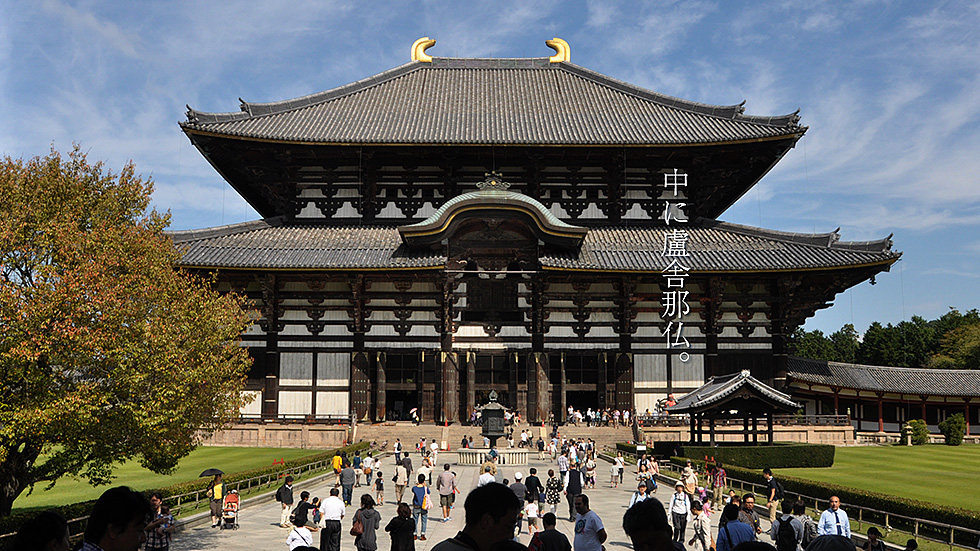
奈良の時代に、こんな巨大な大仏様を作ったこと自体が信じられないのに、後世にそれを囲う、大仏殿を建立したのだからさらに凄い。
何が人々をそうさせたのだろうか。何が人々を駆り立てたのだろうか。迫り来る禍や、仮想の敵のような物を、当時の人々は物の怪と呼んだ。そしてその人達は、そこから縋れるもの、場所、具体的に目に見えるモノの建立に動いた。それは大きければ大きいほど、力があると信じられていた。御仏の力は、実に恐ろしい。
It is unbelievable that such a huge statue of the Great Buddha was created in the Nara period (710-794), but it is even more amazing that the Great Buddha Hall was built to enclose it in later times.
What drove people to do so? What drove them? The people of the time called things like looming disasters and virtual enemies "monsters. And they moved to build something to cling to, a place, a tangible object. The bigger the object, the more powerful it was believed to be. The power of the Buddha is truly frightening.
オオサカ、ミナミ、あべのハルカスは、言わずと知れた日本一のビル。その屋上を展望デッキとして公開している。この写真は、開業当初に訪れたものだが、今は、ヘリポートツアーとして、一般にも開放しているらしい。地上300メートルの風を直に肌に触れながら、感じる景色は、全く別物だ。
Osaka, Minami, and Abeno Harukas are the most famous buildings in Japan. Its rooftop is open to the public as an observation deck. This photo was taken when the building first opened, but now it is open to the public as a heliport tour. The view you get while directly feeling the wind 300 meters above the ground is something else entirely.

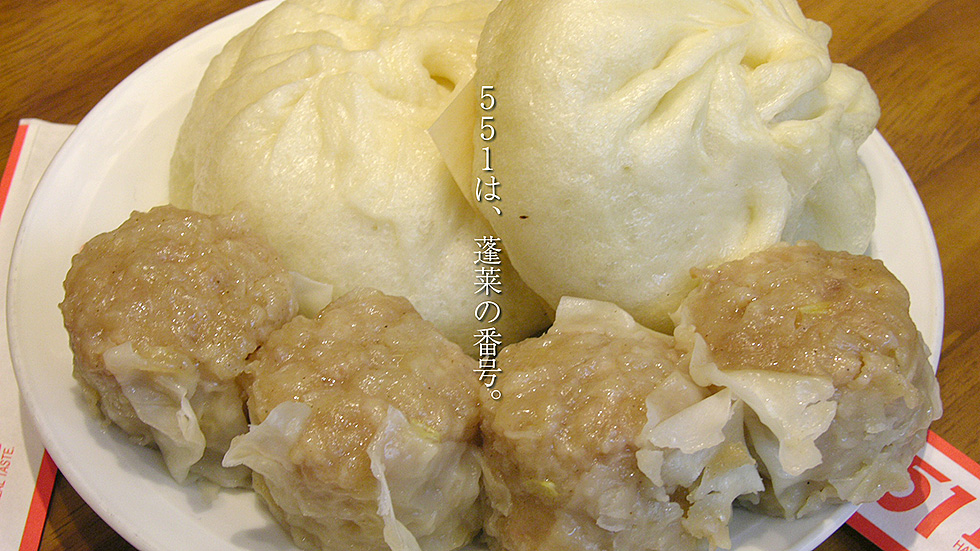
潤滑油じゃない、551は、豚まんの合い言葉。そう、肉まんではなく、豚まん。その圧倒的な人気を支えているのは、口にするものの味に厳しい、関西人のお眼鏡にかなったからに他ならない。551は、電話番号が由来だというから、それもまた関西人らしい。
551, not lubricant, is the code word for pork buns. Yes, not meat buns, but pork buns. The reason for their overwhelming popularity is that they meet the expectations of Kansai people, who are very particular about the taste of what they eat. 551 is derived from a telephone number, which is also typical of Kansai people.
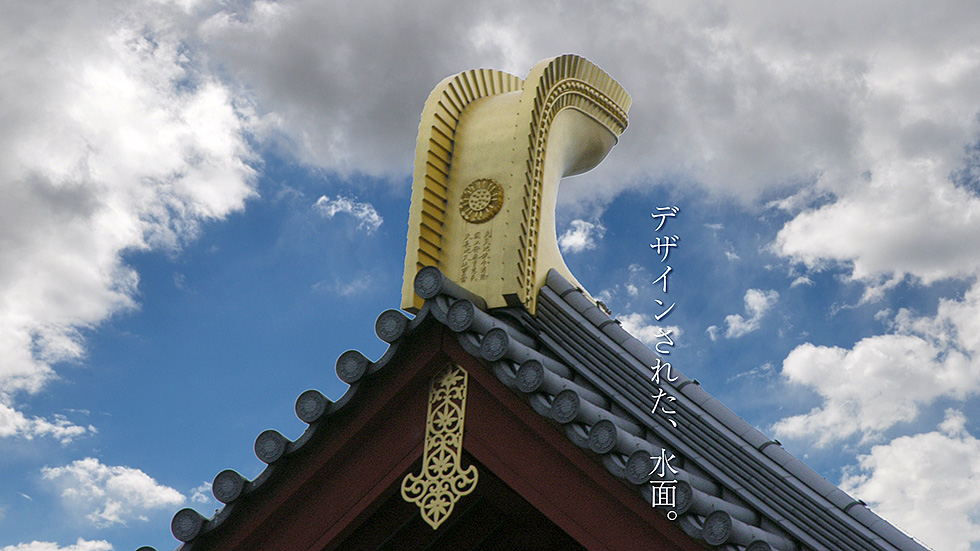
薬師寺といえばきれいな伽藍が立ち並ぶ西の京のお寺。大講堂のこの鴟尾、大陸から伝わったインドの空想の魚が、モチーフにはなっているが、やがて、鯱鉾にまで進化しいていく。ウィキペディアによれば、魚が水面から飛び上がり尾を水面上に出した姿を具象化したもので、屋根の上面が水面を表し、水面下にあるもの(建物)は燃えないとの言い伝えから火除けとして用いられたらしい。いわれてみれば、まあまあ納得だが、当時のひとびとの火事に対する畏怖の念が垣間見えてくる。
Yakushiji Temple is a temple in Nishino-kyo with beautiful buildings. The motif of the shibi in the main hall is an imaginary Indian fish from the continent, which eventually evolved into the shachihoko. According to Wikipedia, the shibi is a representation of a fish jumping out of the water and sticking out its tail above the water, and the top of the roof represents the water surface. It is said that the top of the roof represents the surface of the water, and was used to ward off fire because of the legend that anything under the water (the building) would not burn. If you ask me, it makes sense, but it gives you a glimpse of the fear of fire that people had in those days.
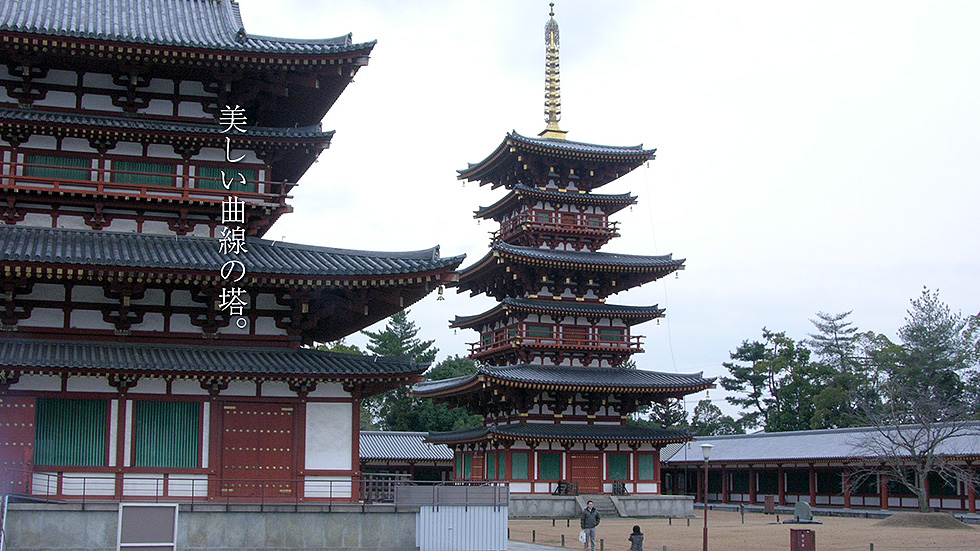
薬師寺は、高田好胤和上により、いくつもの伽藍が再建された。その中でもこの西塔は、消失した物を昭和56年に再現したもの。そのときの棟梁、西岡常一さんの書物を読むと、その作り方も凄いのだが、美しさに対する心遣いもひときわ。この屋根の反りは、上に乗る瓦の重さを計算されて作られているので、瓦を取り去ると、もっと跳ね上がるらしい。
Yakushiji Temple was reconstructed by Kohin Takada as a number of buildings. Among them, this west pagoda was reconstructed in 1981 from the one that was lost. When I read the book written by Tsunekazu Nishioka, the master builder of the pagoda, I was impressed by the way the pagoda was built, but also by the care that was taken for its beauty. The warp of this roof was calculated based on the weight of the tiles on top, so if the tiles were removed, the roof would jump up even more.
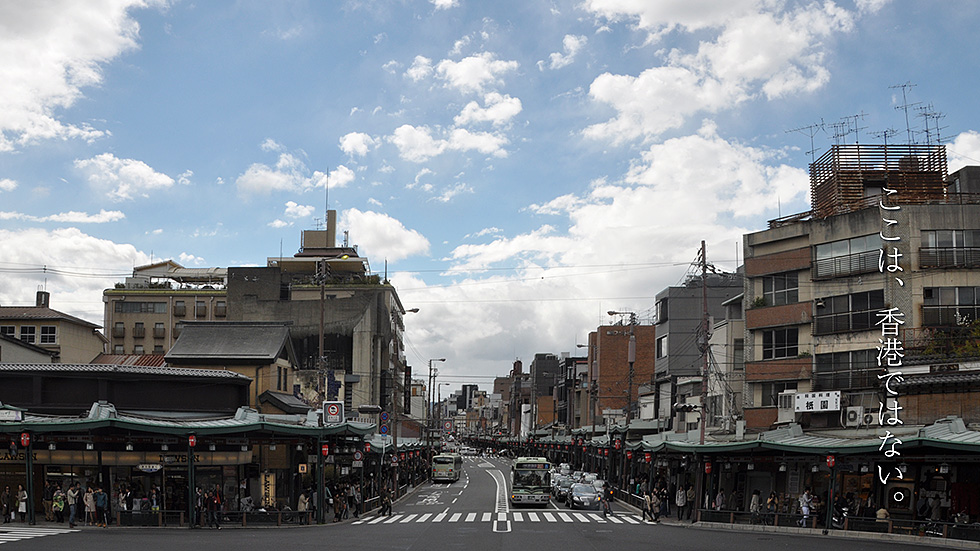
2013年、これは八坂神社前、祇園の様子だ。こんな天気の日は、まるでかつての香港、九龍の様相を呈していたのだった。街は、間口の狭い小さなお店がひしめき合い、無秩序のパワーがうごめいていた。長く続くオーバーアーケードは、暗い影を作り、そこに、突然現れた中国人観光客は、日本人とは全く違う動きを見せてくれた。そう、まるで九龍の小道に迷い込んだ錯覚を覚えたのだった。鳥居や神社がなければ、どこが日本に見えようか。
In 2013, this is the scene in front of Yasaka Shrine, Gion. On a day like this, it was like Kowloon, the Hong Kong of old. The streets were crowded with small stores with narrow frontage, and the power of disorder was swirling. The long over arcades cast dark shadows, and the Chinese tourists who suddenly appeared on the streets moved in a completely different way from the Japanese. Yes, it was as if I had wandered into the Kowloon lanes. Without the torii gates and shrines, where would it look like Japan?
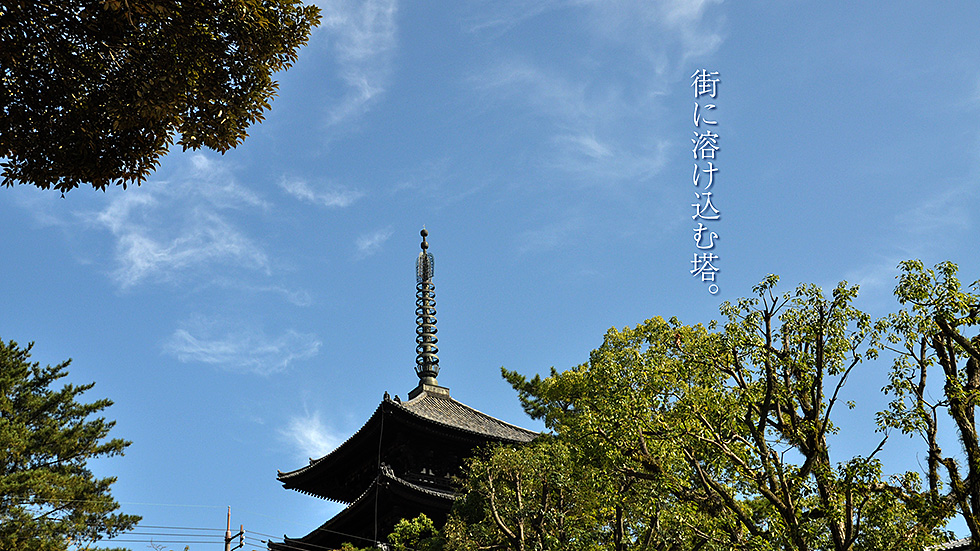
街を歩いていると、突然目の前に現れる八坂の塔。街になじんでいるのか、全く違和感なく目に飛び込んでくる。水煙の先に、お団子が二つ刺さっているのが特徴だ。木造家屋の狭い道から見るのも良いが、こうして庭木の間から見えるのもなかなかだ。
しかし、このいかにも日本らしい景色の塔、実は、平安京遷都以前に朝鮮半島系の渡来氏族・八坂氏の氏寺として創建されたというから面白い。
The Yasaka Tower suddenly appears in front of you when you are walking in the city. It seems to be a part of the city, and it jumps into your eyes without any sense of incongruity. The tower is characterized by two dumplings stuck at the end of a cloud of water. It's nice to see it from the narrow streets of wooden houses, but it's also nice to see it from between the trees in the garden.
It is interesting to note, however, that this pagoda with a very Japanese appearance was actually built as a clan temple for the Yasaka clan, a Korean tribe from the Korean Peninsula, before the capital was relocated to Heian-kyo.
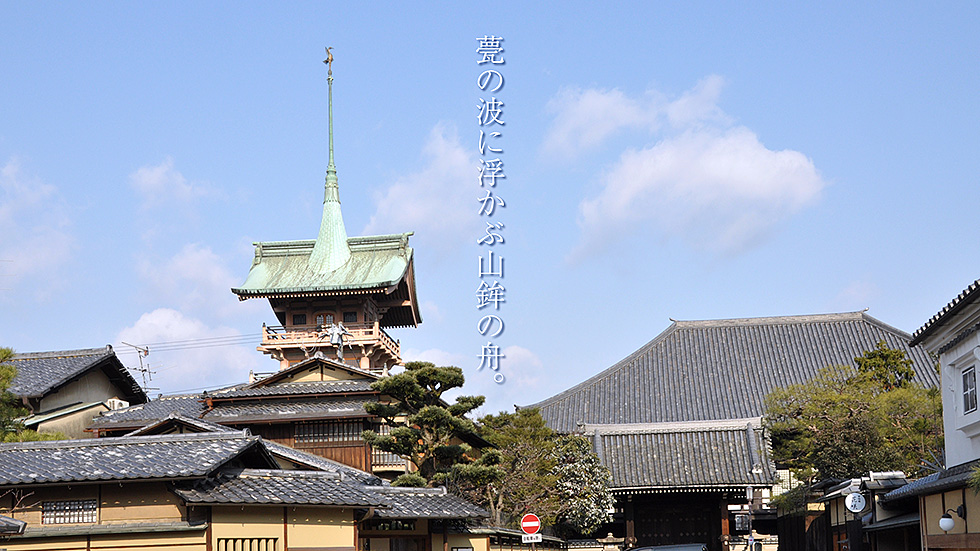
京都高台寺辺りに、北政所が豊臣秀吉の菩提を弔うために往き来したといわれる、 「ねねの道」がある。緩やかな坂道を彩る、凝った甍の波が美しい街並みだ。その中に緑青に彩られた長刀鉾がにょっきりと現れる。大雲院の祇園閣だ。大倉財閥の創始者・大倉喜八郎が、別荘の敷地内に山鉾をイメージして建設した望楼だ。これを設計したのは、東京築地本願寺をインド風にデザインした、伊東忠太。鬼才の真骨頂だから面白い。このすぐ後が緩やかな谷になっていて、八坂神社と丸山公園があり、東山から流れ出る水がこの辺りを潤している。
In the vicinity of Kodaiji Temple in Kyoto, there is a street called "Nenomichi" where Kitano-mandokoro is said to have come and gone to mourn the death of Toyotomi Hideyoshi. It is a beautiful streetscape with elaborate tiled roofs that decorate the gentle slope. In the middle of the street, a greenish-blue hoko (long sword) appears. It is the Gion Pavilion of Daiunin. Kihachiro Okura, the founder of the Okura Zaibatsu, built this watchtower on the grounds of his villa with the image of a floats. It was designed by Chuta Ito, the same architect who designed the Tsukiji Honganji temple in Tokyo in the Indian style. It is interesting because it is the quintessence of a genius. Just after this is a gentle valley where Yasaka Shrine and Maruyama Park are located, and the water flowing from Higashiyama moistens the area.
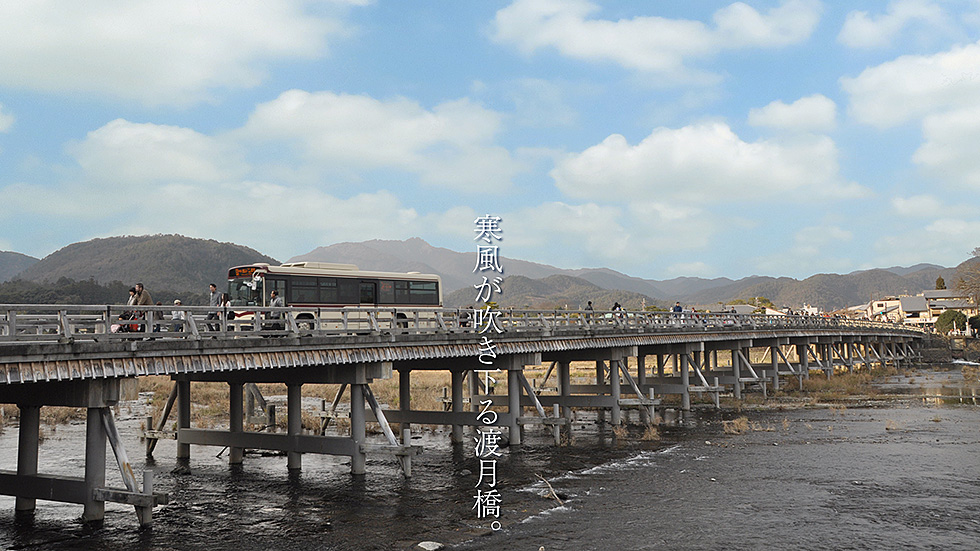
京都の有名な観光地、嵐山、その象徴的なオブジェがこのきれいな名前を持つ、渡月橋だ。亀山上皇が、橋の上空を移動していく月を眺めて感想を述べたことから渡月橋と名付けられた。春、夏、秋がベストシーズンなのだが、冬に訪れると桂川を渡る冷たい風が、早く帰れとばかりに迎えてくれる。この橋脚は、コンクリート造りなのだが、橋そのものの景色は、木で作ったようにデザインされている。そのため、よく撮影に使われているが、その不自然さが、楽しい。
Arashiyama is a famous sightseeing spot in Kyoto, and its symbolic object is the beautifully named Togetsukyo Bridge. The bridge was named Togetsukyo after Emperor Kameyama, who commented on the moon moving over the bridge. Spring, summer, and autumn are the best seasons to visit the bridge, but if you visit in winter, the cold wind blowing across the Katsura River welcomes you, telling you to hurry up and go home. The bridge piers are made of concrete, but the view of the bridge itself is designed to look like it is made of wood. For this reason, it is often used for photography, and I enjoy its unnaturalness.